Web Content Writer-Freeman Wilcox
When dealing with cataract surgical procedure, you might wonder about the differences between typical and laser methods. Each approach has its own collection of advantages and downsides, influencing your healing and overall experience. Recognizing Northern Colorado Cataract Surgery Payment Options is critical for making an educated choice regarding your eye health. So, what should you think about when choosing the appropriate strategy for your needs? Let's discover the information further.
Overview of Traditional Cataract Surgery
Conventional cataract surgical procedure, often referred to as phacoemulsification, is a well-established treatment that successfully restores vision by eliminating the cloudy lens of the eye.
During this surgical procedure, your cosmetic surgeon will certainly develop a small cut in your cornea, allowing accessibility to the lens. Utilizing ultrasound waves, they'll separate the gloomy lens into tiny pieces, which are then carefully suctioned out.
When the old lens is removed, a synthetic intraocular lens (IOL) is implanted to recover clear vision. The surgical procedure generally takes less than an hour and is performed under local anesthesia, lessening pain.
Later, you'll likely notice improvements in your vision as your eye heals. You'll require to follow post-operative treatment guidelines to ensure optimal recovery.
Advantages and Drawbacks of Laser-Assisted Cataract Surgical Procedure
While lots of patients gain from standard methods, laser-assisted cataract surgical treatment offers distinct advantages and some disadvantages worth thinking about.
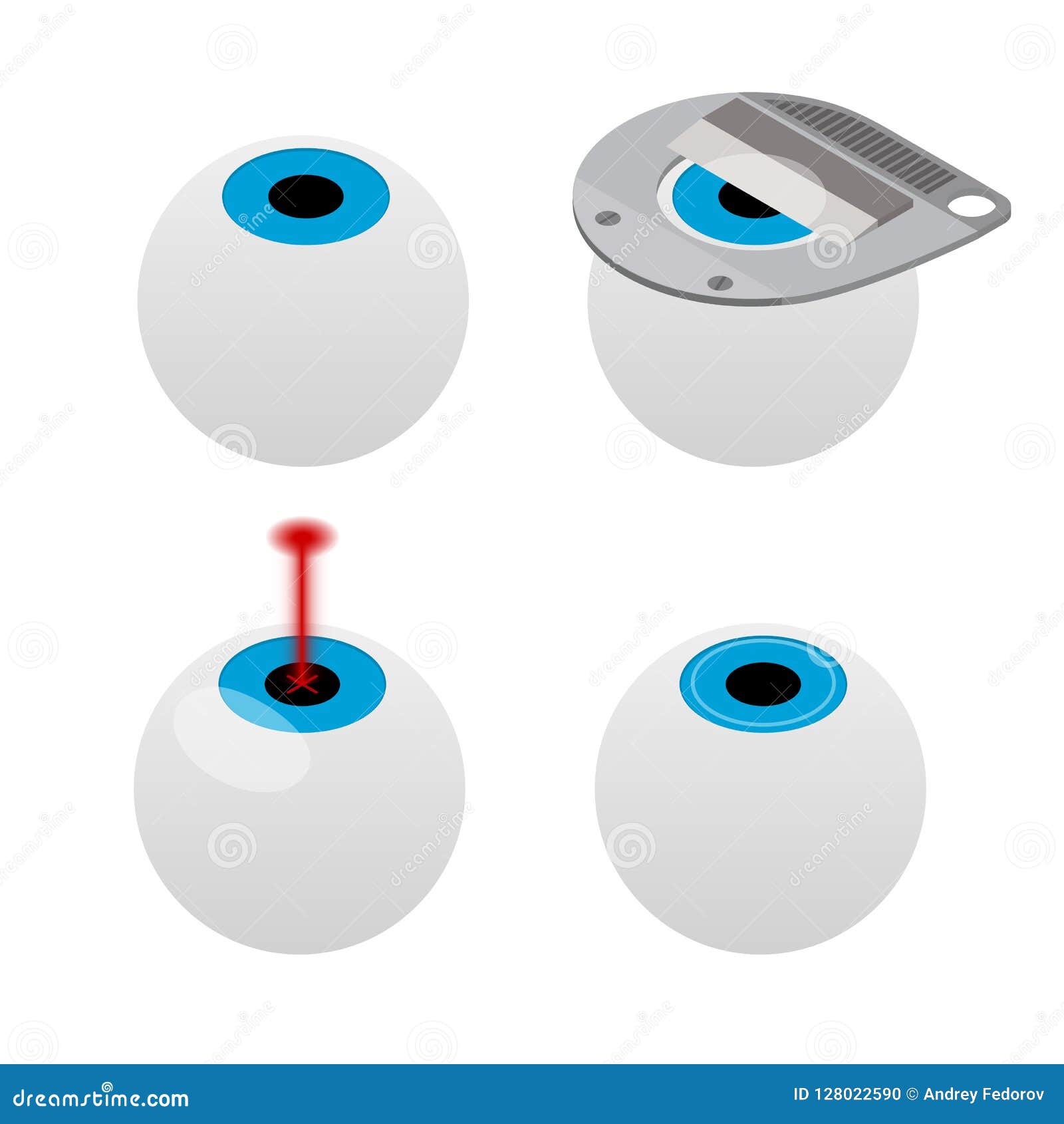
One significant benefit is precision; the laser produces accurate cuts, which can cause much faster healing and reduced threat of complications. You may also experience much less pain throughout the procedure. Additionally, the laser can break up the cataract much more efficiently, calling for less energy from the surgeon.
However, it is necessary to evaluate these advantages against possible downsides. Laser-assisted surgery usually sets you back greater than traditional approaches, and not all insurance policy prepares cover it.
Moreover, the modern technology might not be readily available in every center, which could limit your options. Eventually, you'll intend to go over these variables with your eye care specialist to identify the best technique for you.
Recovery and Aftercare for Cataract Surgery
After cataract surgical procedure, whether it was performed using traditional techniques or laser assistance, your recovery process is essential for attaining the most effective possible vision end results.
You ought to rest for the first day and avoid laborious tasks. Keep your eyes shielded with sunglasses when outdoors, particularly in brilliant light.
It's important to follow your cosmetic surgeon's guidelines relating to eye declines and medications; these assistance prevent infection and decrease inflammation.
Northern Colorado Cataract Surgery For Diabetics could experience mild pain or blurred vision originally, however this must enhance with time.
Participate in all follow-up consultations to check your healing development. If you observe unexpected pain, raised inflammation, or vision adjustments, contact your doctor instantly.
Complying with these guidelines will certainly support a smooth recovery and improve your total results.
Verdict
In conclusion, picking in between conventional and laser-assisted cataract surgery depends upon your certain demands and scenarios. While conventional approaches are reputable and effective, laser strategies offer enhanced accuracy and potentially quicker recovery. It's necessary to review your choices with your eye care specialist to figure out which approach fits you ideal. Inevitably, both approaches aim to recover your vision and enhance your quality of life, so you can get back to appreciating your everyday tasks.